


How to integrate Bootstrap with an Angular project?

Install Bootstrap via npm using npm install bootstrap. 2. Add Bootstrap CSS to the styles array in angular.json: "node_modules/bootstrap/dist/css/bootstrap.min.css". 3. Optionally, install @popperjs/core and bootstrap, then include bootstrap.bundle.min.js in the scripts array. 4. Test by adding a Bootstrap-styled button in a component template; if styled correctly, integration is successful.

To integrate Bootstrap with an Angular project, you can follow a few straightforward steps. The most common and effective way is to install Bootstrap via npm and include it in your project's build configuration.
Install Bootstrap via npm
Open your terminal, navigate to your Angular project directory, and run the following command:
npm install bootstrapThis installs Bootstrap and adds it to your package.json dependencies. By default, this includes Bootstrap CSS (and optionally JavaScript if needed).
Include Bootstrap CSS in angular.json
After installation, you need to tell Angular to include Bootstrap’s CSS in the build process. Open angular.json and locate the styles array under the build options:
- Add "node_modules/bootstrap/dist/css/bootstrap.min.css" to the styles array.
Your styles section should look like this:
"styles": ["src/styles.css",
"node_modules/bootstrap/dist/css/bootstrap.min.css"
]
Optional: Add Bootstrap JavaScript (via Popper)
If you need Bootstrap components like modals, dropdowns, or tooltips that rely on JavaScript, you can include Bootstrap’s JS bundle. First, install Popper and Bootstrap (if not already installed):
npm install @popperjs/core bootstrapThen add the Bootstrap JavaScript file in the scripts array in angular.json:
"scripts": ["node_modules/bootstrap/dist/js/bootstrap.bundle.min.js"
]
This gives access to Bootstrap’s interactive components through vanilla JavaScript or custom directives.
Verify Integration
Create a simple test in one of your component templates (e.g., app.component.html):
If the button appears styled with Bootstrap’s primary color, the integration was successful.
Basically just install, configure, and test. That’s how you get Bootstrap working smoothly in an Angular app.
The above is the detailed content of How to integrate Bootstrap with an Angular project?. For more information, please follow other related articles on the PHP Chinese website!

Hot AI Tools

Undress AI Tool
Undress images for free

AI Clothes Remover
Online AI tool for removing clothes from photos.

Undresser.AI Undress
AI-powered app for creating realistic nude photos

ArtGPT
AI image generator for creative art from text prompts.

Stock Market GPT
AI powered investment research for smarter decisions

Hot Article
Popular tool

Notepad++7.3.1
Easy-to-use and free code editor

SublimeText3 Chinese version
Chinese version, very easy to use

Zend Studio 13.0.1
Powerful PHP integrated development environment

Dreamweaver CS6
Visual web development tools

SublimeText3 Mac version
God-level code editing software (SublimeText3)
Hot Topics
 20516
20516
 7
13629
4
7
13629
4

 A brief analysis of how to use monaco-editor in angular
Oct 17, 2022 pm 08:04 PM
A brief analysis of how to use monaco-editor in angular
Oct 17, 2022 pm 08:04 PM
How to use monaco-editor in angular? The following article records the use of monaco-editor in angular that was used in a recent business. I hope it will be helpful to everyone!
 How to install Angular on Ubuntu 24.04
Mar 23, 2024 pm 12:20 PM
How to install Angular on Ubuntu 24.04
Mar 23, 2024 pm 12:20 PM
Angular.js is a freely accessible JavaScript platform for creating dynamic applications. It allows you to express various aspects of your application quickly and clearly by extending the syntax of HTML as a template language. Angular.js provides a range of tools to help you write, update and test your code. Additionally, it provides many features such as routing and form management. This guide will discuss how to install Angular on Ubuntu24. First, you need to install Node.js. Node.js is a JavaScript running environment based on the ChromeV8 engine that allows you to run JavaScript code on the server side. To be in Ub
 How to use PHP and Angular for front-end development
May 11, 2023 pm 04:04 PM
How to use PHP and Angular for front-end development
May 11, 2023 pm 04:04 PM
With the rapid development of the Internet, front-end development technology is also constantly improving and iterating. PHP and Angular are two technologies widely used in front-end development. PHP is a server-side scripting language that can handle tasks such as processing forms, generating dynamic pages, and managing access permissions. Angular is a JavaScript framework that can be used to develop single-page applications and build componentized web applications. This article will introduce how to use PHP and Angular for front-end development, and how to combine them
 Let's talk about metadata and decorators in Angular
Feb 28, 2022 am 11:10 AM
Let's talk about metadata and decorators in Angular
Feb 28, 2022 am 11:10 AM
This article continues the learning of Angular, takes you to understand the metadata and decorators in Angular, and briefly understands their usage. I hope it will be helpful to everyone!
 Detailed explanation of angular learning state manager NgRx
May 25, 2022 am 11:01 AM
Detailed explanation of angular learning state manager NgRx
May 25, 2022 am 11:01 AM
This article will give you an in-depth understanding of Angular's state manager NgRx and introduce how to use NgRx. I hope it will be helpful to you!
 An article exploring server-side rendering (SSR) in Angular
Dec 27, 2022 pm 07:24 PM
An article exploring server-side rendering (SSR) in Angular
Dec 27, 2022 pm 07:24 PM
Do you know Angular Universal? It can help the website provide better SEO support!
 Angular + NG-ZORRO quickly develop a backend system
Apr 21, 2022 am 10:45 AM
Angular + NG-ZORRO quickly develop a backend system
Apr 21, 2022 am 10:45 AM
This article will share with you an Angular practical experience and learn how to quickly develop a backend system using angualr combined with ng-zorro. I hope it will be helpful to everyone!
 Token-based authentication with Angular and Node
Sep 01, 2023 pm 02:01 PM
Token-based authentication with Angular and Node
Sep 01, 2023 pm 02:01 PM
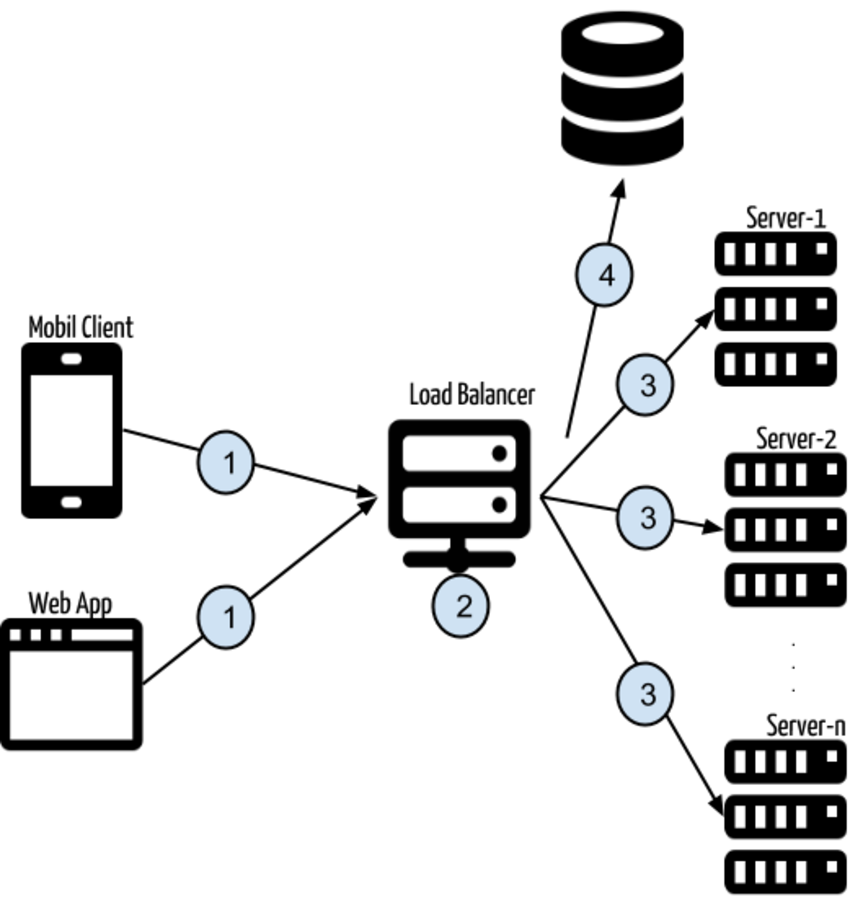
Authentication is one of the most important parts of any web application. This tutorial discusses token-based authentication systems and how they differ from traditional login systems. By the end of this tutorial, you will see a fully working demo written in Angular and Node.js. Traditional Authentication Systems Before moving on to token-based authentication systems, let’s take a look at traditional authentication systems. The user provides their username and password in the login form and clicks Login. After making the request, authenticate the user on the backend by querying the database. If the request is valid, a session is created using the user information obtained from the database, and the session information is returned in the response header so that the session ID is stored in the browser. Provides access to applications subject to
