


 Hardware Tutorial
Hardware Review
Domestic Android Journey: Is Xiaomi 13 the first choice for brainless Android fans?
Hardware Tutorial
Hardware Review
Domestic Android Journey: Is Xiaomi 13 the first choice for brainless Android fans?
Domestic Android Journey: Is Xiaomi 13 the first choice for brainless Android fans?

In December 2022, Xiaolei was still a dual-wielding user of OPPO Find N generation and iPhone 14 Pro. The division of labor between the two machines was also very simple: Find N was used to log in to work WeChat and was responsible for running WeChat reading. , Bilibili Comics and F1TV, while the iPhone 14 Pro is used to handle all usage scenarios except the above four scenarios.
#No way, as a cyclist with rich experience in crashes, after being hit by electric cars into the green belt again and again, Apple Watch has become Xiao Lei’s indispensable riding equipment. Coupled with my experience as a half-baked Android developer in college, I know very well what Android developers can do to ensure that the App is active or inactive.
Picture source: Lei Technology
So, I basically have no special requirements for the performance, camera and other functions of Android phones, so that I can put aside the general users’ pursuit of Android phone performance and choose mobile phones from some relatively unimportant perspectives, such as Sony Xepria The 21:9 thin and light design of 1 IV, the fourth-class narrow bezels of Samsung Galaxy S22, or the Pixel 7 with a full set of Google services.
But obviously, the domestic Android ecosystem, which is in dire straits, has really given a lot of strength to "foreign monks" like Sony, Samsung and Google. The various acclimatization of international flagships also made me realize, "I really need a Domestic Android mobile phones". At this moment, Xiao Lei got the Xiaomi Mi 13, which was still in the confidentiality stage. What surprised me even more was that I actually bought this machine after using it for a short time and still use it today.
So today, half a year later, I want to share with you this "brainless fruit fan"'s 6-month domestic Android journey.
No comparison means no harm
#Different from how most people choose Android phones, I choose Xiaomi 13 Being the main Android phone is not because of how well Xiaomi Mi 13 is done - I am not interested in most of the selling points of Xiaomi Mi 13: I am used to carrying a camera with me and rarely use my mobile phone to take pictures, and not playing mobile games also makes me dissatisfied with Xiaomi Mi 13. There are no expectations for the performance and heat dissipation of the 13, not to mention the problem of low brightness when watching HDR videos on Netflix on Android phones.
I chose Xiaomi Mi 13 because all the features of Xiaomi Mi 13 avoid my "one-vote veto line":
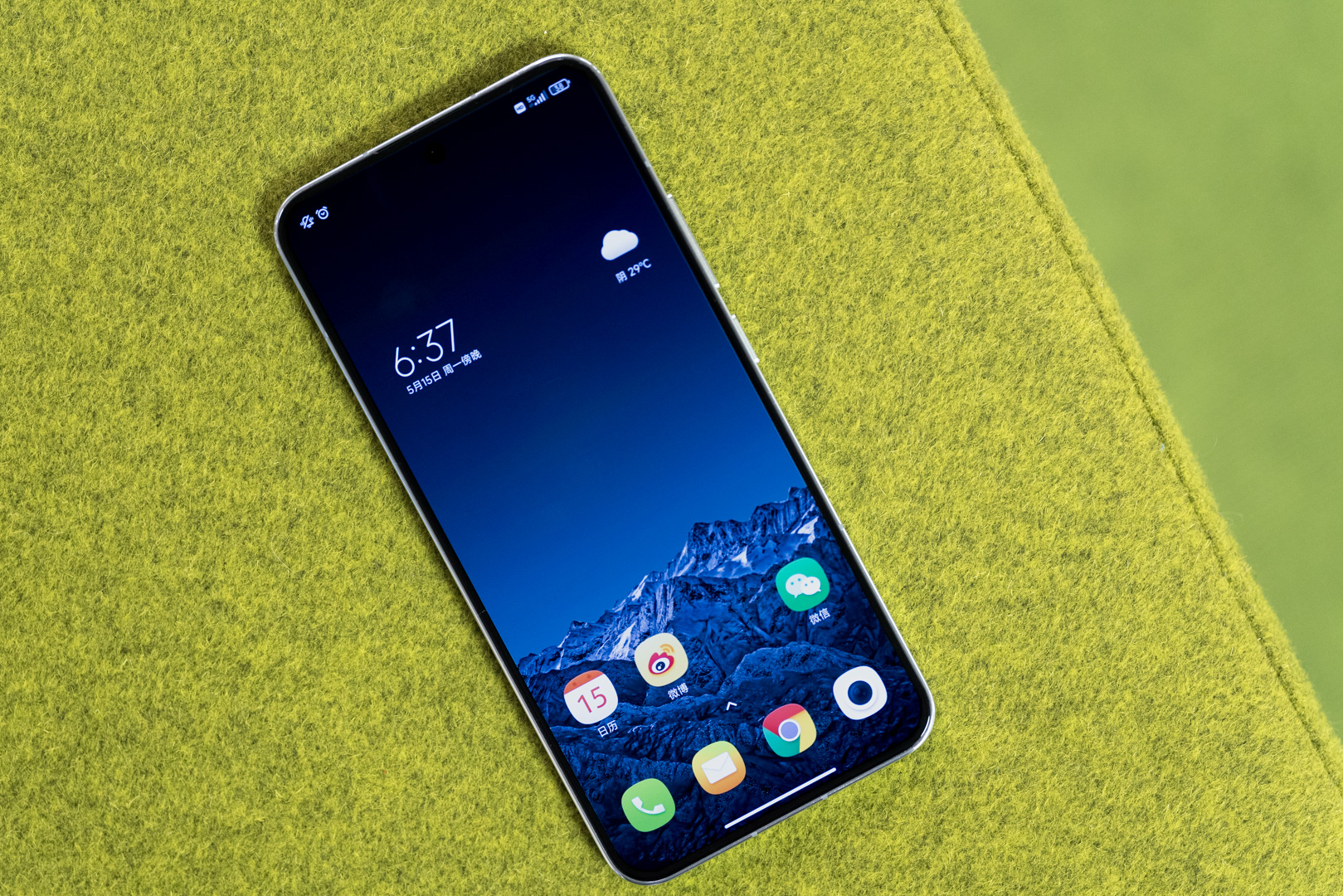
Xiaomi 13 adopts a fourth-class narrow-edge design that is rare in the industry. The well-proportioned frame not only brings better visual effects, but also has a thinner frame than the iPhone 14 Pro. In addition, the R-angle connection between the Xiaomi Mi 13 screen and the fuselage is smooth and natural. The flat front of the fuselage does not have the problem of scratching the hands due to the border curve like the S22. At the same time, the integrated back cover does not bring extra friction like Samsung and Sony. gap.
Picture source: Lei Technology
Although the weight of 189g is not counted It is light, but compared with flagship phones that often start at 200g, the weight of the Xiaomi Mi 13 and the clever weight distribution of the 7.98mm body jointly create the Xiaomi Mi 13 to be light and not fall in the hand. Coupled with the fact that Xiaomi Mi 13 does not use a curved screen, this alone is enough to make Xiaomi Mi 13 stand out from my purchase candidate list.
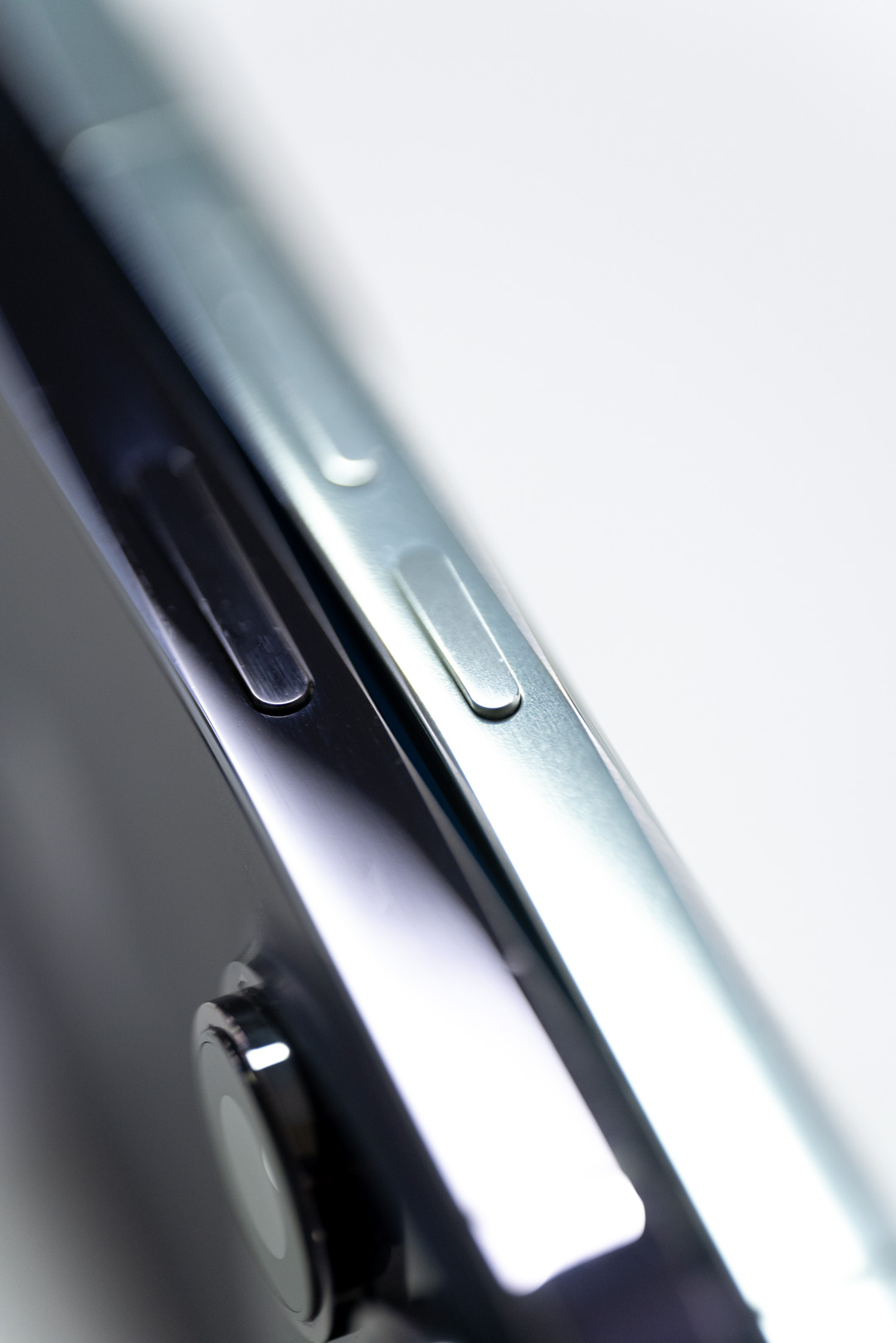
The same is true in other aspects: Xiaomi 13 does not have dual front speakers like Sony, but in exchange for a more balanced overall feel; Xiaomi 13 is not one inch larger Bottom, but in exchange for a camera "little black square" that is more durable and does not need to be solved with complicated lines; Xiaomi Mi 13 does not use ultrasonic fingerprints, but it also allows me to choose ordinary tempered film instead of cumbersome to apply and feels bad in the hand. Hydraulic film or light-curing film.
Every "compromise" in the hardware of Xiaomi Mi 13 is just within the range of what I can tolerate with a mobile phone, and it also gets more features that I like. . This "non-offensive" design is precisely the main reason why I chose Xiaomi Mi 13.
Of course, there is no end to opportunities. There are also some things I don’t like on Xiaomi Mi 13. For example, the high-gloss polished aluminum frame design cannot reflect the depth and texture of the metal middle frame, making the middle frame look like the electroplated plastic of a model display machine in a mobile phone store. . The coated glass back panel destroys the solid color design on the back of the phone. The glossy glass also makes the phone "slippery" and is more likely to leave traces of wear and use.
Picture source: Lei Technology
Fortunately, compared to uneven The bottom edge, the curved screen that affects the display effect, and the "striking" camera design make the Xiaomi Mi 13, which "does less and makes fewer mistakes", a more suitable choice for me.
It’s Android, it’s Xiaomi
If the appearance and hardware design are the driving forces that attract me to buy Xiaomi Mi 13, then it should be MIUI that keeps me using it to this day. As you may have noticed, I am a "Google service enthusiast". This is related to the fact that when I first used an Android phone, all Google services could be directly connected. In addition, many years of experience in using Android have also made me have an inexplicable requirement for Android phones:
I hope my phone is still an Android phone.
It sounds strange to have such a demand. After all, Android is about a "vibrant race for all things". Different brands of systems will more or less require Android's native components. Make some modifications. It's just that some brands, out of active or passive considerations, have made drastic changes to the system in order to firmly grasp users in their hands, and even make everyone feel that they are running a new system that is divorced from the Android ecosystem, such as Real Magic. Changed the YunOS of the Android virtual machine.
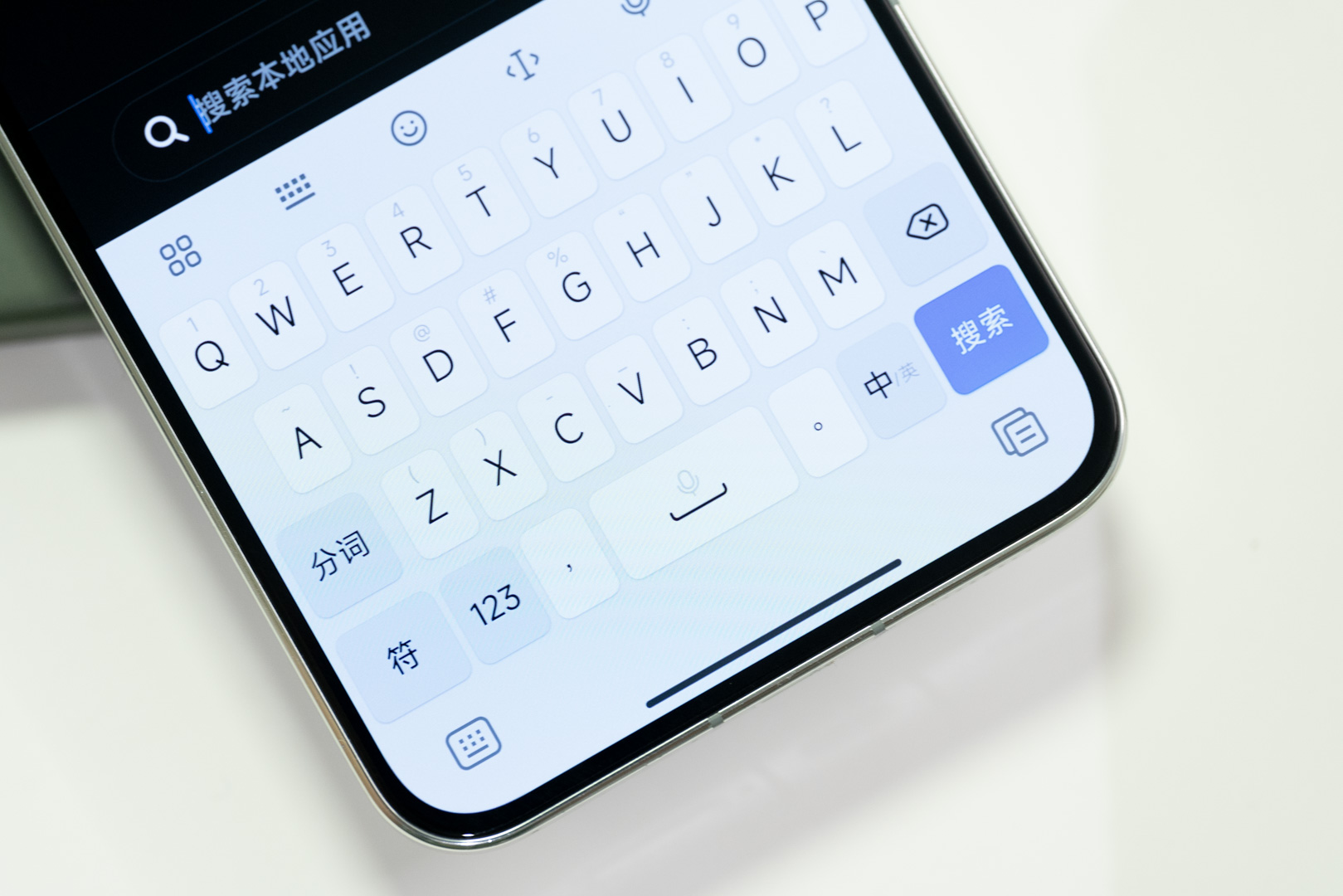
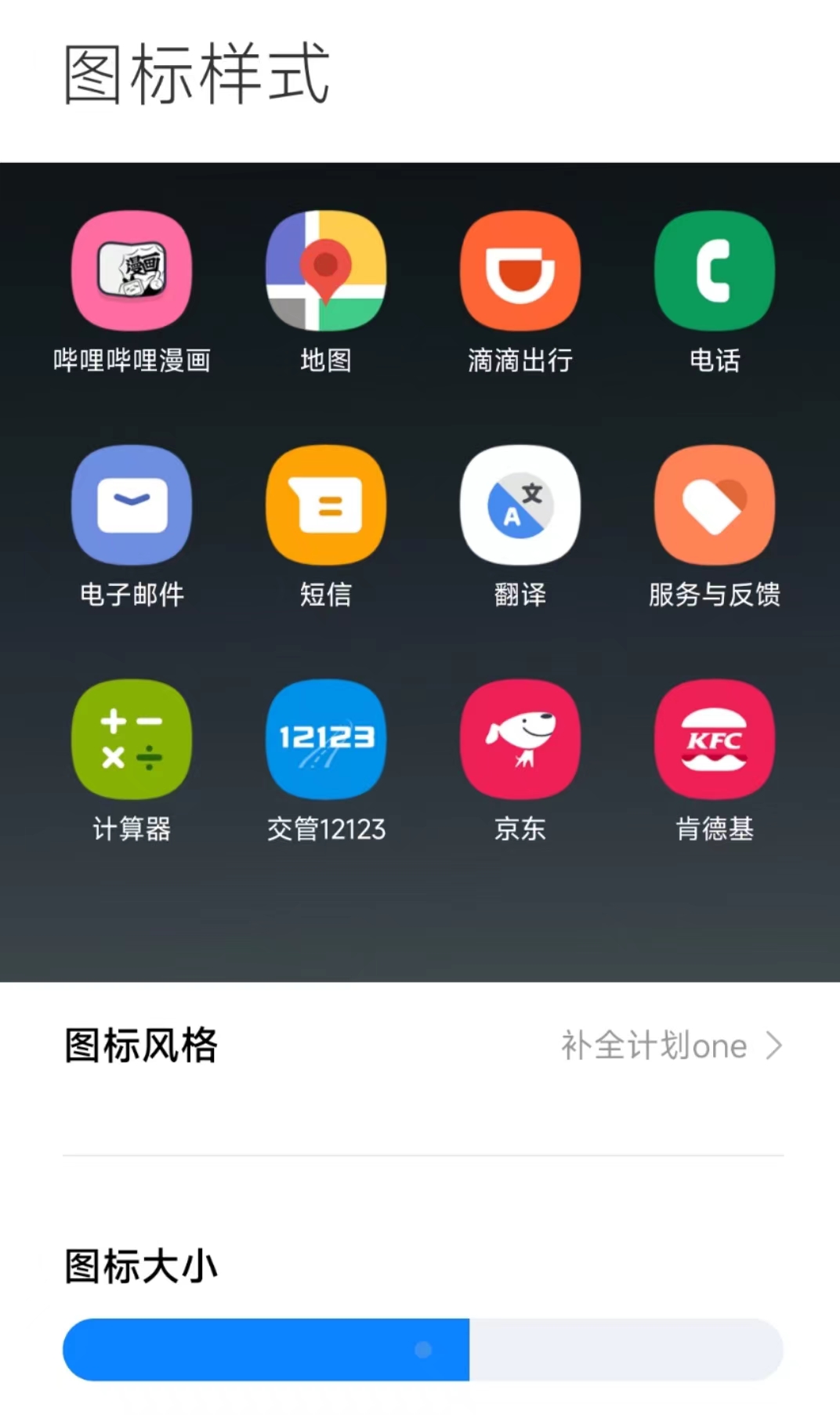
However, on Xiaomi 13, I can still find the familiar Android experience: change the desktop back to the drawer style, re-enable Google components in the system settings, and activate the Google Play Store , Xiaomi Mi 13 is still a mobile phone running the Android system, and the paid apps I purchased and unlocked in the Play Store can also be used normally. Even after changing the icon to the OneUI style and modifying the desktop wallpaper, Xiaomi Mi 13 even looks no different from the Xperia, Galaxy and Pixel that Xiao Lei used before.
But this just looks the same. As the most mature customized Android ROM in China, after years of development, MIUI no longer needs to rely on the same features as in the V4 era. The unique "magic modification" is used to retain its users. On Xiaomi Mi 13, MIUI's customization of Android is more of a "moisturizing and silent" extension.
Picture source: Lei Technology
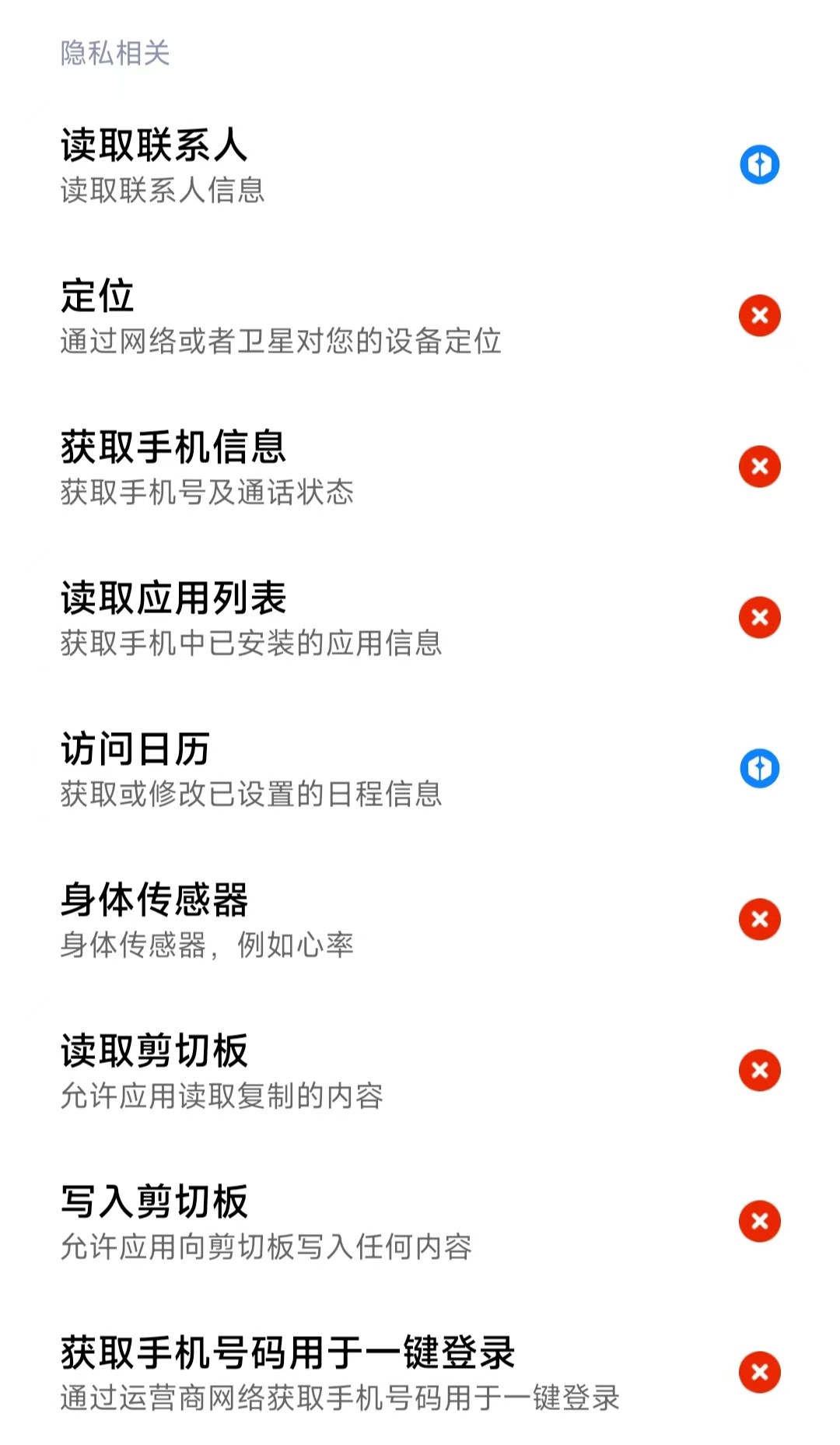
For example, Google has not yet implemented "App clones", a more practical Xiaoai voice phone assistant, and App permission control that is "more suitable for China Mobile Ecosystem". As an iPhone user, I can no longer remember how many times I have activated shake ads for domestic apps while walking and waving my hands - everyone is aware of the problem, but only Xiaomi has taken this step.
It is undeniable that MIUI’s customization of Android has also caused a lot of “irreversible” damage. For example, MIUI’s theme has completely replaced the theme colors and customization in Android 13. Adapted to icons, MIUI’s status bar and notification page also completely replace the features of native Android.
You must know that native Android is no longer what it was in the 2.3 era. Many first-party functions from Google are becoming more and more practical, such as the front-end service added in Android 13 Manager, runtime permissions, text copy preview and media control components. Of course, there is also the "WYSIWYG" side return preview that can fundamentally solve the problem of mixing "return" and "up" in the Android system.
Picture source: Lei Technology
But obviously these functions It will not appear in MIUI. It is undeniable that MIUI's super wallpaper is indeed very interesting, and its permission management is much better than that of foreign friends like Google who are not accustomed to the local environment. But there will always be a day when you get tired of super wallpapers. The first-party Android system from Google will definitely surpass the previous version of MIUI with its new API in the future.
Besides, there is no conflict between adhering to brand characteristics and incorporating new Android features. For example, on a folding screen phone I experienced some time ago, their "OS" Android has been significantly modified, but it also leaves room for users to choose.
From this point of view, compared with the confusing statement of "In Europe it is an Android phone, in China it is a MIUI phone", the term "MIUI phone running Android" seems More suitable for Xiaomi 13.
The road to "promotion" of domestic Android
In the final analysis, the reason why Xiaomi Mi 13 can rise from the booming domestic Android Android phones attract my attention not because of what they do right, but because they "do nothing wrong." Of course, the right and wrong here are just my personal judgment based on my usage scenarios. What suits me may not necessarily suit everyone. I hope everyone can understand this.
However, from another perspective, it is difficult to choose an "unremarkable" mobile phone among domestic mobile phones. In fact, domestic mobile phones have changed according to the usage habits of domestic users. manifestation of diversity. It is this kind of diversification that liberates the market competition of domestic mobile phones from the hardware arms race that leads to the same goal, allowing manufacturers to start paying attention to things "beyond flagship configurations." For example, vivo's fingerprint recognition, Huawei's multi-platform interconnection, and Xiaomi 13 Ultra's "super-large" camera are all said to be good.
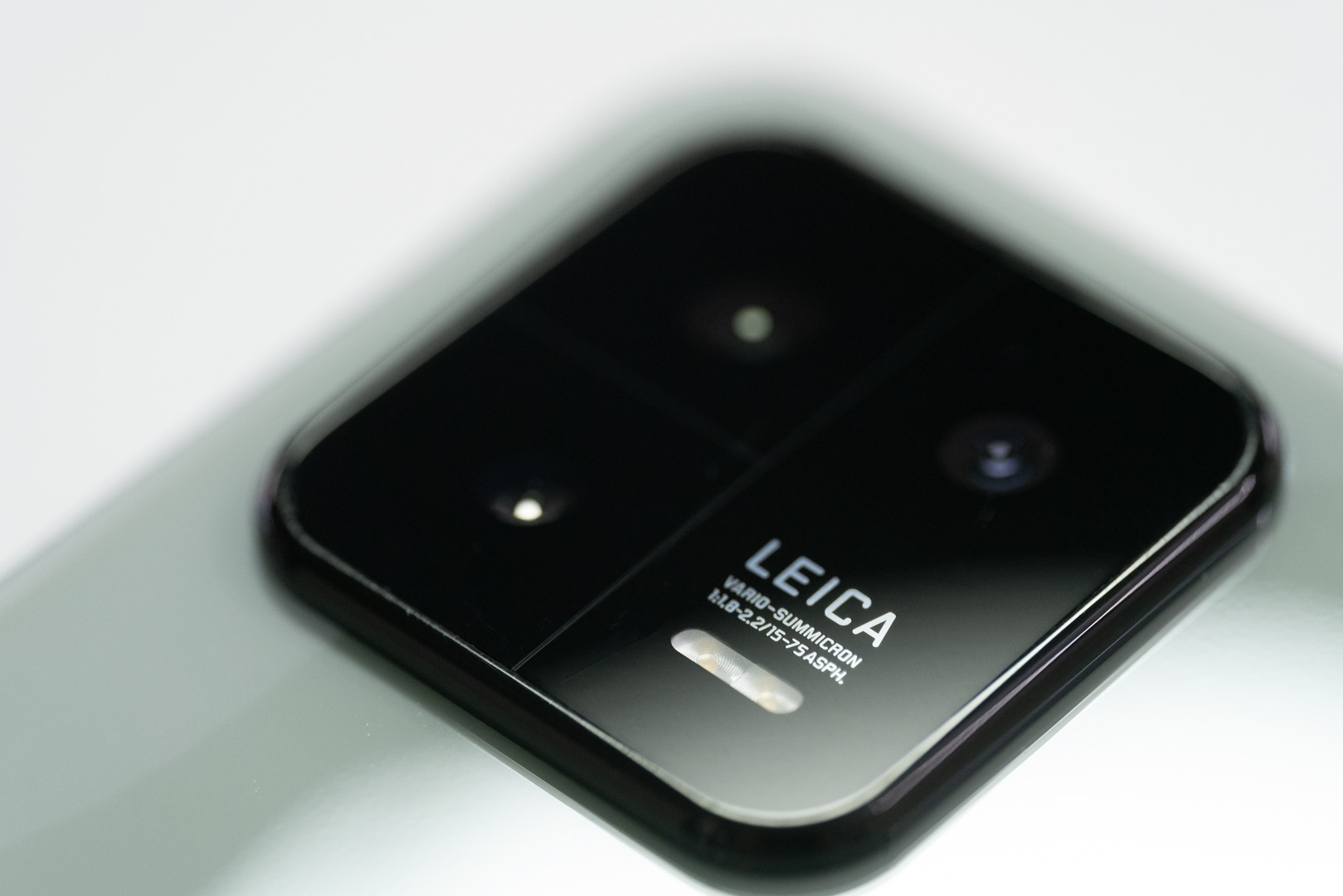
Image source: Lei Technology
After about 2014, domestic consumers began to pay attention to domestic brand mobile phones. However, due to corporate bargaining power and product positioning issues, domestic brands at that time could only engage in price wars with overseas brands. "Providing similar functions at a lower price" became the common goal of these domestic mobile phones.
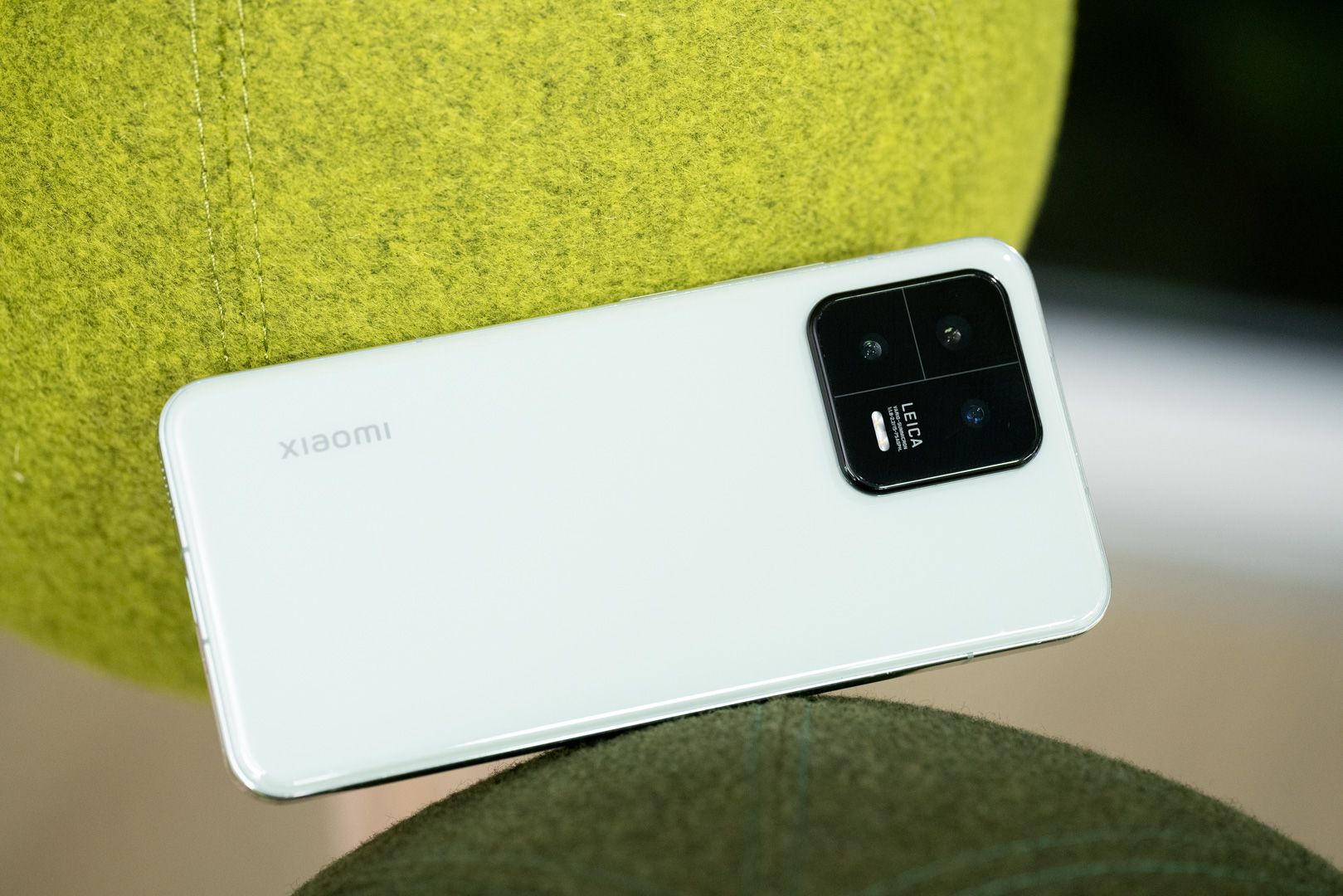
But the current mobile phone market is no longer what it was 10 years ago. With higher shipments and stronger R&D capabilities, domestic mobile phone brands have improved their product positioning It is no longer "50% of the price to buy 80% of the experience", but "100% of the price to provide 200% of the experience."
Picture source: Lei Technology
Use one word to describe it , domestic mobile phone brands are fighting a "upgrade" battle. The "upgrade" here is not only the upgrade of the brand, but also the "upgrade" of the selling price of mobile phones. The "mi rush higher" that we have mentioned many times in the past is the best manifestation of Xiaomi's improvement of its products and brand image.
It is foreseeable that domestic brands will continue to make efforts to impact the high-end market in the future, thereby achieving a "dual improvement" in brand tone and mobile phone selling prices. In the future, domestic mobile phones will continue to realize the self-value of the brand in more and more places, and bring more and better products to users who support them all the way.
But no matter what the future holds, at least for now, I still think that Xiaomi Mi 13 is a mobile phone with flaws and flaws. Although it has many minor flaws and MIUI is often "informal" in some details, overall, Xiaomi Mi 13 is still a qualified sub-flagship:
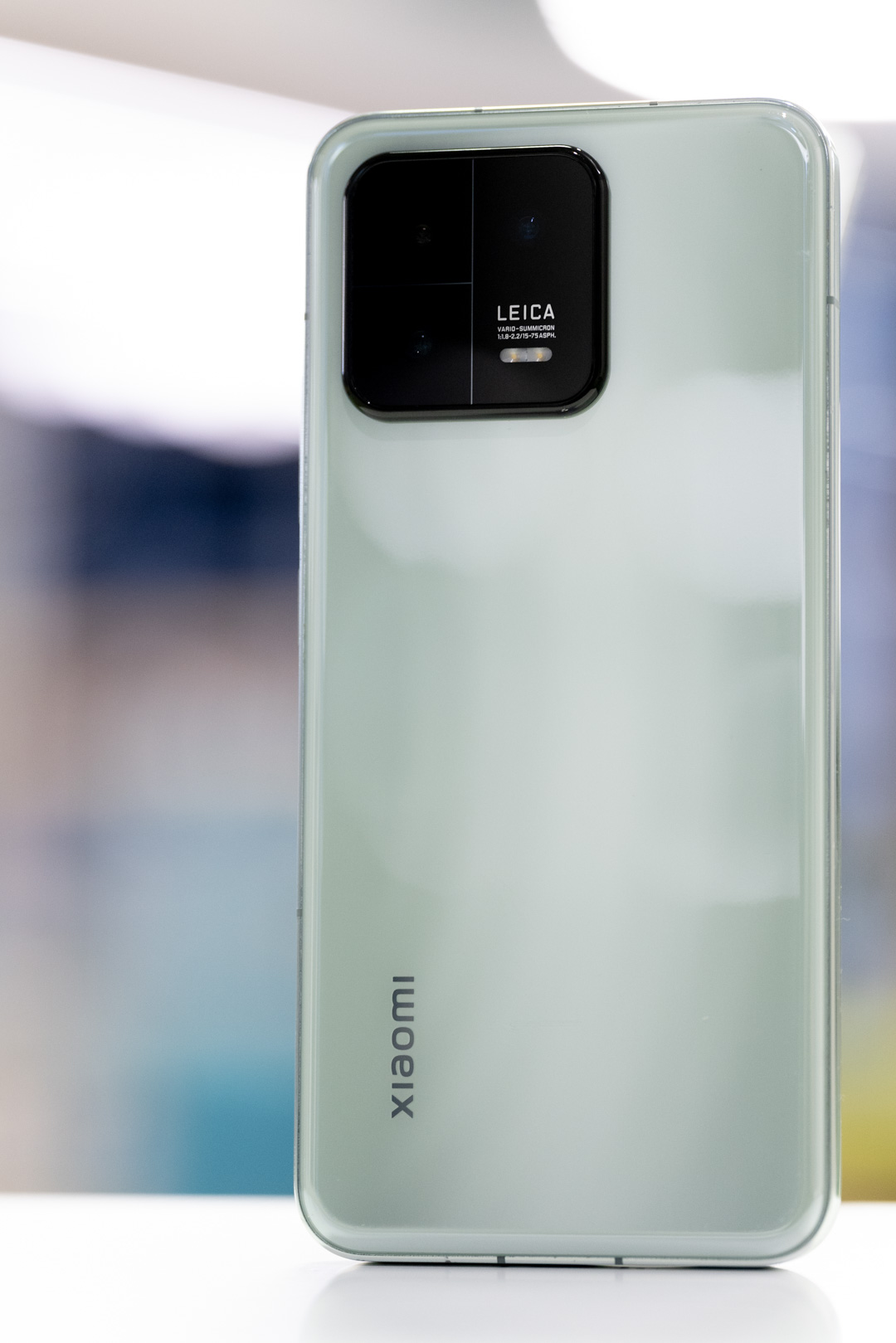
小米13 does not have the same camera configuration as the Pro or Ultra, nor does it have a screen as good as the S23 Ultra. It is even slightly inferior to other Android phones in my hands in terms of quality. However, because Xiaomi Mi 13 does not adopt a radical design, Xiaomi Mi 13 is still a "one-size-fits-all" product when faced with discerning consumers with completely different purchasing needs.
Picture source: Lei Technology
Even after using it for half a year, I I can’t necessarily tell you how many advantages of Xiaomi Mi 13 impressed me. But for me, there is nothing that makes me "unable to use" Xiaomi Mi 13. This alone is enough for me to continue using it half a year later.
The above is the detailed content of Domestic Android Journey: Is Xiaomi 13 the first choice for brainless Android fans?. For more information, please follow other related articles on the PHP Chinese website!

Hot AI Tools

Undresser.AI Undress
AI-powered app for creating realistic nude photos

AI Clothes Remover
Online AI tool for removing clothes from photos.

Undress AI Tool
Undress images for free

Clothoff.io
AI clothes remover

AI Hentai Generator
Generate AI Hentai for free.

Hot Article
Hot Tools

Notepad++7.3.1
Easy-to-use and free code editor

SublimeText3 Chinese version
Chinese version, very easy to use

Zend Studio 13.0.1
Powerful PHP integrated development environment

Dreamweaver CS6
Visual web development tools

SublimeText3 Mac version
God-level code editing software (SublimeText3)
Hot Topics
 1378
1378
 52
52

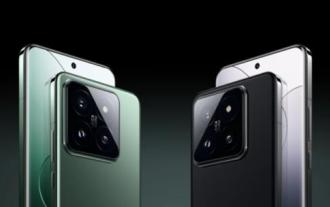 Xiaomi 15 series full codenames revealed: Dada, Haotian, Xuanyuan
Aug 22, 2024 pm 06:47 PM
Xiaomi 15 series full codenames revealed: Dada, Haotian, Xuanyuan
Aug 22, 2024 pm 06:47 PM
The Xiaomi Mi 15 series is expected to be officially released in October, and its full series codenames have been exposed in the foreign media MiCode code base. Among them, the flagship Xiaomi Mi 15 Ultra is codenamed "Xuanyuan" (meaning "Xuanyuan"). This name comes from the Yellow Emperor in Chinese mythology, which symbolizes nobility. Xiaomi 15 is codenamed "Dada", while Xiaomi 15Pro is named "Haotian" (meaning "Haotian"). The internal code name of Xiaomi Mi 15S Pro is "dijun", which alludes to Emperor Jun, the creator god of "The Classic of Mountains and Seas". Xiaomi 15Ultra series covers
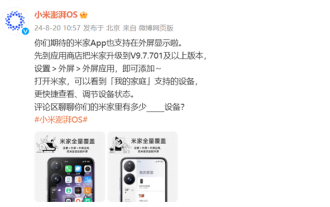 Long awaited! Xiaomi MIX Flip upgrade adds Mijia App external screen display function
Aug 20, 2024 pm 09:39 PM
Long awaited! Xiaomi MIX Flip upgrade adds Mijia App external screen display function
Aug 20, 2024 pm 09:39 PM
According to news on August 20, today, Xiaomi ThePaper OS officially announced an important update. Mijia App now supports external screen display on Xiaomi MIX Flip. To enable this feature, users only need to upgrade Mijia App to version V9.7.701 and above, and then add Mijia App in phone settings-external screen-external screen application. After opening the app, users can view supported devices in "My Home" directly on the external screen and quickly adjust the device status. In addition to the Mijia App, fenye's English learning software app also supports the external screen display of Xiaomi MIX Flip and can be directly switched to the internal screen for use. Xiaomi MIXFlip release date: July 19 Processor: Snapdragon 8Gen3 internal screen
 Apple and Huawei both wanted to make a buttonless phone, but Xiaomi made it first?
Aug 29, 2024 pm 03:33 PM
Apple and Huawei both wanted to make a buttonless phone, but Xiaomi made it first?
Aug 29, 2024 pm 03:33 PM
According to a report from Smartprix, Xiaomi is developing a buttonless mobile phone codenamed "Suzaku". According to this news, this mobile phone codenamed Zhuque will be designed with an integrated concept, use an under-screen camera, and be equipped with Qualcomm Snapdragon 8gen4 processor. If the plan does not change, we are likely to see its arrival in 2025. When I saw this news, I thought I was back in 2019 - at that time, Xiaomi released the Mi MIX Alpha concept phone, and the surround-screen button-less design was quite amazing. This is the first time I have seen the charm of a buttonless mobile phone. If you want a piece of "magic glass", you must first kill the buttons. In "The Biography of Steve Jobs", Jobs once expressed that he hoped that the mobile phone could be like a piece of "magic glass".
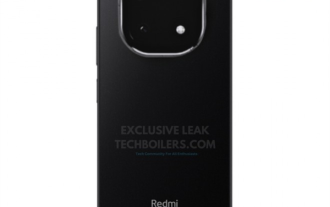 A new generation of thousand-yuan magic machine! Redmi Note 14 series joins the Internet: supports up to 90W fast charging
Sep 02, 2024 pm 12:44 PM
A new generation of thousand-yuan magic machine! Redmi Note 14 series joins the Internet: supports up to 90W fast charging
Sep 02, 2024 pm 12:44 PM
According to news on September 2, three new models of the Redmi Note14 series have been launched on the Internet, supporting up to 90W fast charging. According to various sources, this series will be released this month, focusing on the thousand-yuan market. 1. There are three models in the series, including RedmiNote14, RedmiNote14Pro and RedmiNote14Pro+. They are respectively equipped with Qualcomm Snapdragon 7sGen3, Dimensity 7350, and second-generation Snapdragon 7s. The Redmi Note14Pro series uses a 1.5K curved screen. This is Redmi’s first curved screen model this year and is consistent with the screen form of the previous generation Note13Pro+. RedmiNote14Pro series appearance: large-area centered three-camera solution camera Deco
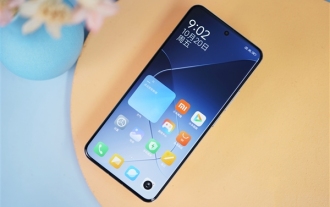 Xiaomi 14, Redmi K70 and other models will launch Thermal OS full AI functions: no need to apply for qualifications
Aug 07, 2024 pm 08:02 PM
Xiaomi 14, Redmi K70 and other models will launch Thermal OS full AI functions: no need to apply for qualifications
Aug 07, 2024 pm 08:02 PM
According to news on August 6, Xiaomi community announced that after multiple rounds of testing and adjustments, Xiaomi will launch full AI functions on some models of mobile phones. That is to say, you do not need to apply for internal testing qualifications for AI functions in the community. As long as you meet the mobile phone model and system version requirements, you can start the function experience. According to reports, the full range of AI functions include: Xiaoai input assistant, AI photo taking, AI image search, real-time subtitles, on-device Xiaoai classmate pictures, and on-device photo album AI editing. The official said that this project will complete the function push and grayscale on a model-by-model basis within this month. If you cannot experience it yet, please wait patiently. The specific push time will be subject to the follow-up push time. Supported models: Xiaomi 14 Xiaomi 14Pro Xiaomi 14Pro titanium Xiaomi 14Ultra Xiaomi Civi4Pro Xiaomi MIX Flip Xiaomi M
 Yu Chengdong once said that he copied Huawei! Xiaomi's response is to smear: the keel shaft patent is officially confirmed and there are big differences between the two parties
Aug 07, 2024 pm 07:28 PM
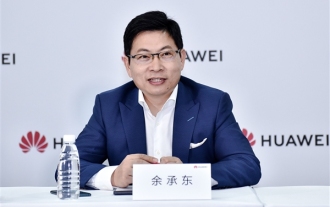
Yu Chengdong once said that he copied Huawei! Xiaomi's response is to smear: the keel shaft patent is officially confirmed and there are big differences between the two parties
Aug 07, 2024 pm 07:28 PM
According to news on August 7, Xiaomi’s keel pivot hinge patent was recently approved. The application was filed on September 18, 2020, and the application was published on March 18, 2022. The final authorization announcement date is June 25, 2024. The technology involved in this patent is the "keel hinge" that has been installed on Xiaomi MIX Fold3 as early as 2018. Judging from the patent abstract, the rotating shaft adopts a unique three-stage connecting rod rotating shaft design, which not only improves the freedom of the rotating shaft, but also greatly improves the reliability and anti-drop performance of the entire machine. Its folding life has reached 500,000 times. . 1. Yu Chengdong laughed at the 2023 Pollen Annual Meeting and talked about plagiarism by friends, saying that he had infringed on Huawei's intellectual property rights, used Huawei's designs without authorization and changed names at will. Yu Chengdong pointed out that Xiaomi
 Xiaomi Redmi Note 14 mobile phone passed FCC certification: pre-installed with Thermal HyperOS and equipped with 33W charger
Sep 02, 2024 pm 02:52 PM
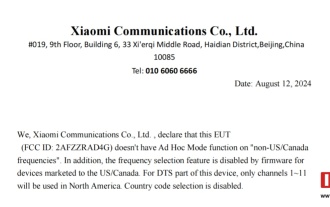
Xiaomi Redmi Note 14 mobile phone passed FCC certification: pre-installed with Thermal HyperOS and equipped with 33W charger
Sep 02, 2024 pm 02:52 PM
Thanks to netizen Wu Yanzu from South China for submitting the clue! According to news on September 2, the international version of Xiaomi Redmi Note 14 with model number "24094RAD4G" has now passed FCC certification, revealing some configuration information of the machine. FCC certification information shows that Xiaomi Redmi Note14 mobile phone is pre-installed with ThePaper HyperOS1.0 system, supports Wi-Fi, Bluetooth, LTE and 5GNR frequency bands, and is equipped with a 33W charger. Xiaomi RedmiNote14 series mobile phone information update Xiaomi RedmiNote14 has passed IMEI certification and supports 45W fast charging (the actual charging rate is unknown). It is equipped with MediaTek Dimensity 6100+ processor. Xiaomi RedmiNote14Pro internal code name: "Ame
 Xiaomi Redmi 14C mobile phone revealed to be released on August 31: 6.88-inch 90Hz screen, 5160mAh battery, 50MP main camera
Aug 24, 2024 am 11:07 AM
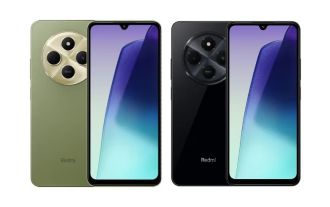
Xiaomi Redmi 14C mobile phone revealed to be released on August 31: 6.88-inch 90Hz screen, 5160mAh battery, 50MP main camera
Aug 24, 2024 am 11:07 AM
According to news on August 24, technology media 91Mobile published a blog post yesterday (August 23), breaking the news that Xiaomi will release the Redmi14C smartphone on August 31, which will be available in three colors: green (should be plain leather), black and blue. Xiaomi Redmi14C is equipped with an Oreo circular camera module on the back, equipped with 2 camera sensors and 1 LED flash, 50-megapixel main camera, and the volume and power buttons are on the right side. Attached is the promotional picture of Xiaomi Redmi14C as follows. You can see that the front is equipped with a water drop-shaped groove. Since the product is positioned at the mid-to-low end, the frame on the chin part is wider. In terms of specifications, Xiaomi Redmi14C mobile phone is equipped with a 6.88-inch FullHD+ resolution screen with a refresh rate of 90H
